Can Beginners Climb Kilimanjaro
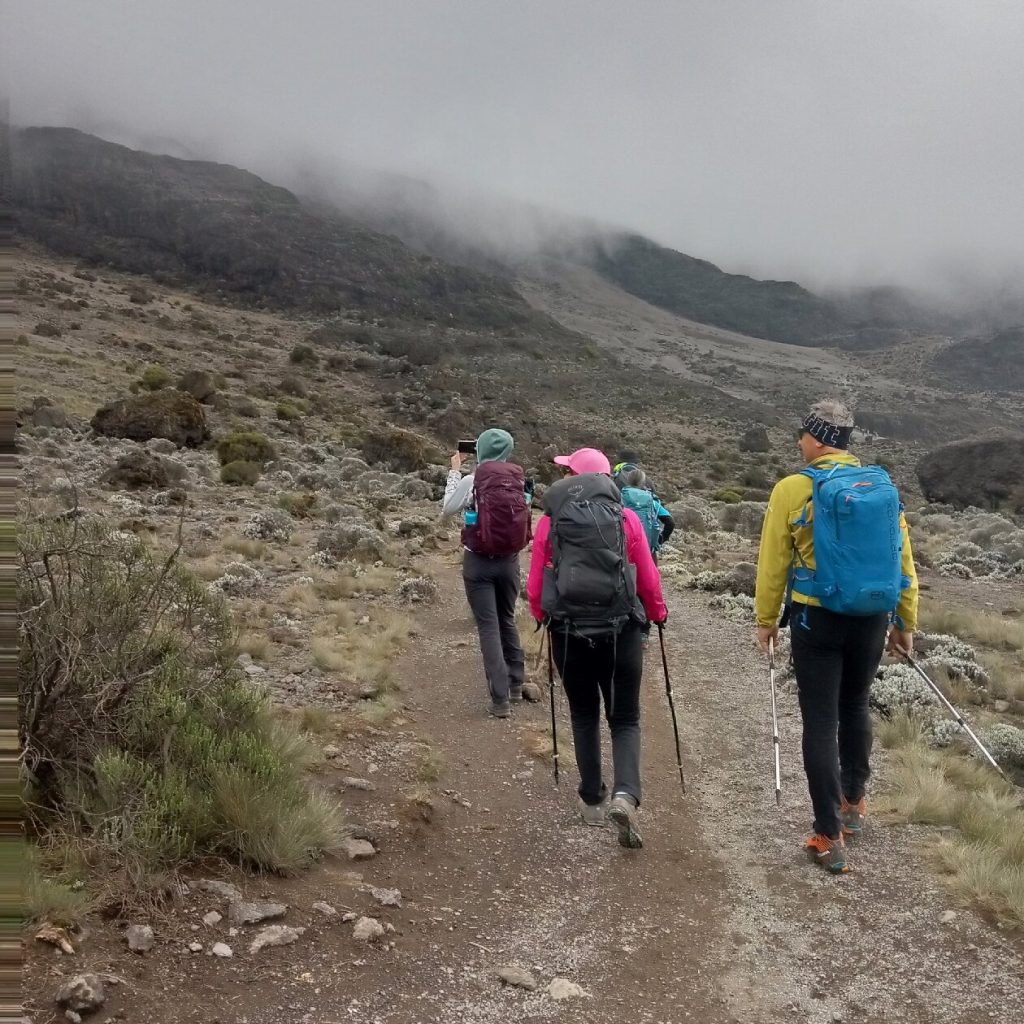
Yes, beginners can climb Kilimanjaro, and a large share of climbers on the mountain in any week have never been above 3,000 metres before. No technical skill or mountaineering experience is needed, though a long itinerary of seven to nine days, eight to twelve weeks of walking preparation and a properly equipped operator all matter. Kilimanjaro reaches 5,895 metres in northern Tanzania.
Why Beginners Can Trek Kilimanjaro
A Kilimanjaro trek is a walking route from start to finish. There are no ropes, no ice axes, no crampons and no ground where a slip would be serious. The Barranco Wall asks you to use your hands for about an hour and that is the closest the standard trails come to climbing.
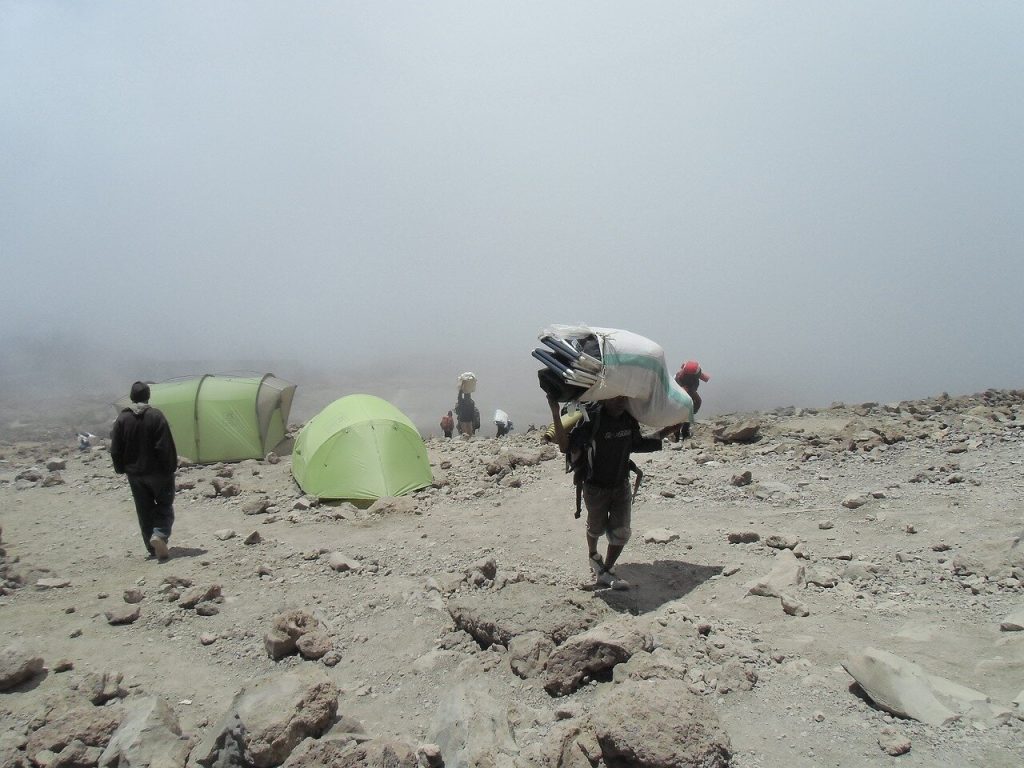
Everything logistical is handled for you, because it has to be. Independent trekking is not permitted, so you climb with a licensed operator whose crew carries the camp, cooks the food, filters the water and moves your duffel between camps. You carry a daypack.
Guides have taken teenagers and people in their seventies to Uhuru Peak. The park’s own framing is that any reasonably fit person can climb this mountain, and that is broadly fair. What it leaves out is that a reasonably fit person on a five day itinerary will probably not summit, and the reason has nothing to do with being a beginner. Almost all of what makes Kilimanjaro difficult sits in the altitude rather than the walking.
The most common beginner mistake is not being underprepared physically. It is booking too few days because the shorter package looked affordable. Book seven days at minimum, eight if you can, and you have removed the largest obstacle before you have laced a boot.
What Beginners Need Before a Kilimanjaro Climbing Trek
Four things, in descending order of importance.
Enough days on the mountain. Seven is the sensible floor for a first high altitude trip and eight is better. Five day itineraries report roughly 27 to 30 percent reaching the summit and eight day ones around 90, which is the difference between a likely and an unlikely week.
The ability to walk five to eight hours on uneven ground on consecutive days. That is a moderate bar and eight to twelve weeks of hill walking will get most reasonably active people there.
An operator that monitors you properly, carries bottled oxygen and a pulse oximeter, runs health checks twice daily and travels with enough assistant guides that one person descending does not end everyone’s trek.
Broken in boots and gear that works. Blisters on day two make everything afterwards harder, and there is no fixing them at 4,000 metres.
Best Kilimanjaro Trekking Routes for Beginners
Eight day Lemosho. The usual first choice. Walks in gently through western forest, crosses the Shira Plateau, includes an acclimatisation night at Moir Hut. Around 90 percent reach the summit.
Seven day Machame. The best value option for a first climb, reporting around 85 percent. Busier trails and a steeper forest day, and easy to join at short notice.
Nine day Northern Circuit. The strongest record on the mountain at 90 to 95 percent, and the quietest. Needs a fortnight of leave and the largest budget.
Seven day Rongai. Gentle underfoot and quiet, and the sensible pick if your dates fall in a wet month. Take the seven day version, not the six.
Six day Marangu. Only if sleeping in a tent is genuinely out of the question. Huts and gentle gradients, and outcomes of 50 to 65 percent.
Avoid as a beginner. Umbwe, which is the steepest trail with no rest days built in, and Shira, which drives you to 3,500 metres for your first night.
Age and Health Considerations for a First Kilimanjaro Trek
The park’s minimum age is ten, and children under sixteen are generally discouraged from the summit push by responsible operators, though family treks to lower camps are common. At the other end, climbers in their sixties and seventies reach Uhuru Peak regularly, and a slower paced private trek suits that well.
Existing health conditions deserve a conversation with your own doctor rather than an operator. Heart and lung conditions, uncontrolled high blood pressure, pregnancy, and anything requiring medication that interacts with acetazolamide all need medical input. Sickle cell trait carries particular altitude risk. None of this is automatically disqualifying, and all of it is better raised months ahead than at the briefing.
Tell your operator about anything relevant. Guides make better decisions when they know what they are looking at, and a diabetic climber, for instance, is far easier to support when the crew has been told rather than surprised.
Altitude Sickness and the First Time Trekker
This is the part beginners worry about and they are right to, though perhaps not in the way they expect.
Acute mountain sickness is the leading reason people turn back. Mild forms feel like a hangover: headache, nausea, no appetite, broken sleep. It affects people regardless of fitness, age or sex, so your inexperience is not a particular liability. Being a fast walker is a bigger one, which is why some very fit first timers fare worse than cautious ones.
The severe forms, fluid on the lungs or swelling of the brain, are uncommon but move quickly, and the response is immediate descent. Dropping 500 to 1,000 metres usually resolves symptoms fast, and this is why your operator’s monitoring and staffing matter so much.
What you control: walk slower than feels natural, drink three to four litres a day, eat the carbohydrates even without appetite, skip alcohol and sleeping pills, take every optional acclimatisation walk, and tell your guide about a headache the first time you feel it. Concealing symptoms to protect your summit chances is the classic beginner error and it usually costs the summit anyway.
Your guide is not judging you when they ask how you slept and whether your head hurts. They are gathering the information that decides whether you go up. Give them the honest version.
Training as a Beginner for a Kilimanjaro Trek
Start eight to twelve weeks out and train for time on your feet rather than intensity. Kilimanjaro is endurance across consecutive days, not speed, and a week by week training plan gives that shape without turning it into an athletic project.
A workable shape: two or three cardio sessions a week of forty five minutes or more, one long weekend walk building towards five or six hours with a loaded daypack, and some leg and core work to protect your knees on the descent. Hills, stairs, anything with sustained ascent. If you can manage a back to back weekend of long walks a few times before you fly, that is the closest simulation available.
Wear the boots you will climb in and the pack you will carry. Taper in the final fortnight so you arrive rested rather than freshly exhausted. And check with your doctor before starting a new programme, particularly if this is a substantial change from your current routine.
You do not need a gym, altitude tent or specialist coaching. Consistent walking beats all of it.
Gear Beginners Actually Need
Layers rather than bulk, because you cross rainforest, moorland, alpine desert and arctic summit conditions in a week. Base layers that wick, an insulating mid layer, a down jacket for summit night, and a waterproof windproof shell over everything.
Boots come first in importance and must be broken in before you fly, so choosing the right pair early is the one gear decision worth taking time over. Then a four season sleeping bag rated well below freezing, a headlamp with spare batteries, sunglasses and sun cream, a warm hat, liner and outer gloves, trekking poles, and wide mouth water bottles rather than a bladder, since hose tubes freeze on summit night.
Your porter carried duffel is capped at 15 kilograms including your sleeping bag and gets weighed at the gate, which is why deciding what goes in it is worth doing before you leave home. You carry a 25 to 35 litre daypack.
Beginners routinely overspend here. Sleeping bags, down jackets, poles, gaiters and duffels can all be rented in Moshi for a fraction of retail. Buy your own boots and base layers; rent the bulky items you may never use again.
Common Beginner Mistakes on Kilimanjaro Treks
Booking five or six days to save money, which is the expensive mistake dressed as a saving. Walking at your natural pace on day one and feeling great, then paying for it on day four. Not drinking enough, because three to four litres takes deliberate effort. Stopping eating above 4,000 metres and arriving at the high camp with nothing in the tank.
Wearing new boots. Bringing cotton, which stays wet. Packing a hydration bladder and finding it frozen on summit night. Underestimating the descent and bringing no poles. Buying insurance that quietly excludes altitudes above 4,000 metres.
And the most consequential one: hiding symptoms. Guides can work with a headache mentioned early. They can do very little with one revealed at Barafu.
What Summit Night Asks of a Beginner
Worth knowing in detail, because it is the part nobody is fully prepared for.
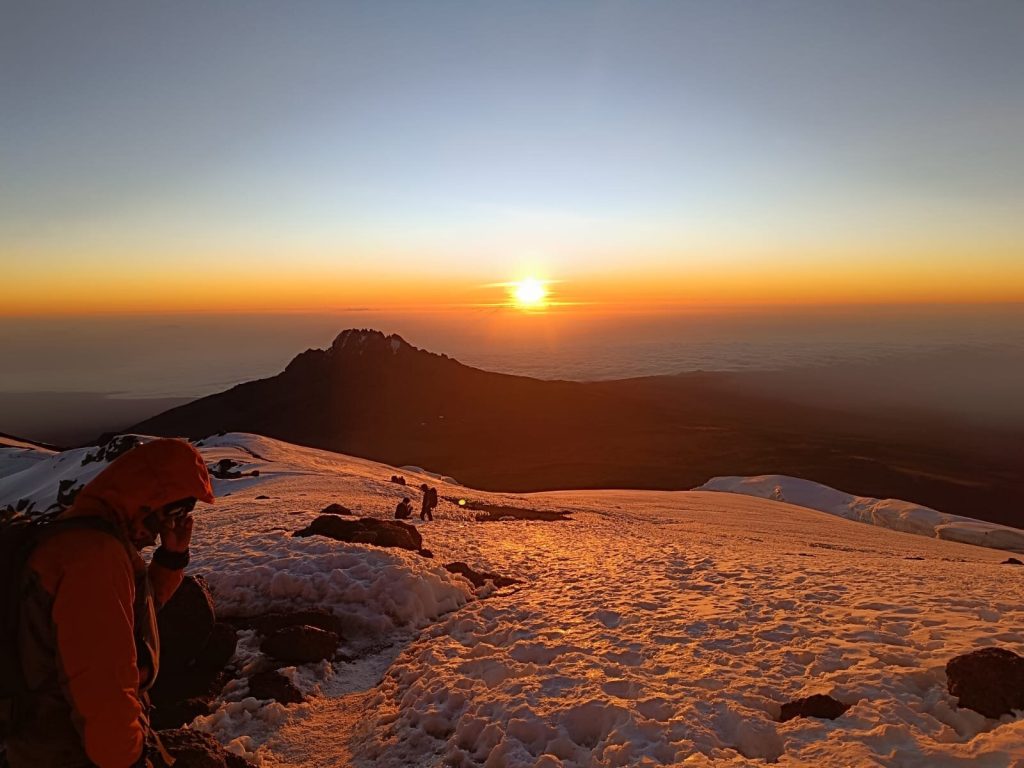
You are woken around eleven at night at roughly 4,700 metres after several hours of poor sleep. You leave at midnight and climb switchbacks on loose scree by headlamp for five to seven hours, in temperatures between about minus seven and minus twenty degrees Celsius, colder with wind chill.
The distance is only five or six kilometres. The pace is deliberately slow. You stop briefly each hour and keep moving between stops to stay warm. At the crater rim you are not done: another hour to Uhuru Peak from Stella Point in the west, or one and a half to two hours from Gilman’s Point in the east.
Then twelve to fourteen hours after you started, you are at a lower camp. It is not technically difficult at any point. It is a decision you keep making, and your guide will talk you through it, because that is a large part of the job.
Choosing an Operator as a First Time Trekker
Beginners benefit most from a good operator and are least equipped to spot a bad one, so ask directly. Are you a partner of the Kilimanjaro Porters Assistance Project, which monitors wages, load limits and crew welfare? What training do your guides have, and is it current wilderness first aid? Do you carry bottled oxygen and a pulse oximeter, and how often are health checks run?
Then the question that matters most for a group booking: how many assistant guides travel with us, and what happens if one person needs to descend on day five? If the answer is vague, the staffing is thin.
An operator willing to tell you your chosen itinerary is too short, at the cost of a cheaper sale, is showing you something useful about how they will behave at 5,000 metres.
Frequently Asked Questions About Beginners Climbing Kilimanjaro
Can I climb Kilimanjaro with no hiking experience at all?
Yes, with preparation. Spend eight to twelve weeks building up to comfortable five to eight hour walks on uneven ground, book seven or eight days on the mountain, and choose an operator with proper safety practices. Plenty of people whose longest previous walk was a few hours reach Uhuru Peak. What you cannot skip is the walking practice or the extra days.
How much should a beginner budget for a Kilimanjaro climb?
Aim for a mid range seven or eight day package at $2,400 to $3,500 per person rather than a budget five or six day trek at $1,200 to $1,900. Add roughly $250 to $400 for tips, $100 to $200 for gear rental in Moshi, a visa near $50, high altitude insurance, and flights. A realistic all in figure is $4,000 to $6,500. The cheapest packages cut exactly the things a first timer benefits from most.
What is the best route for a complete beginner?
Eight day Lemosho, which reports around 90 percent reaching the summit and has the gentlest start on the mountain. Seven day Machame is the strong value alternative at around 85 percent. Avoid Umbwe, Shira and any five day itinerary. If tents are impossible for you, six or seven day Marangu is the fallback rather than the five day version.
Will I get altitude sickness as a beginner?
Mild symptoms are common and affect experienced trekkers just as often, since altitude sickness does not track fitness or experience. Most people get a headache or lose their appetite at some point above 4,000 metres. Longer routes, a slow pace, good hydration and honest reporting to your guide keep it manageable. Ask your doctor about acetazolamide, which speeds your body’s own adjustment.
Is there a minimum age or fitness test?
The park minimum age is ten, and most operators discourage under sixteens from the summit push. There is no fitness test and no medical certificate required, though a check with your own doctor is sensible, particularly for heart or lung conditions, high blood pressure, pregnancy or sickle cell trait. Tell your operator about anything relevant so the crew can support you properly.
Should I climb something smaller first?
Helpful but not required. If you have the time, three or four days on nearby Mount Meru at 4,562 metres is the most useful pre acclimatisation available in the region and many operators sell the two together. Otherwise, long weekend hikes at home in your climbing boots achieve most of what you need.
Booking Your Kilimanjaro Trip
The safari companies and tour operators listed on this website put trips like this together for a living and know which camps, guides and routes actually deliver. We are an independent guide to Kilimanjaro; we do not book or sell tours ourselves.
When you are ready, arrange your safari, tour or holiday with one of the recognised operators listed here. Tell them your dates and what matters most, and a real person, not a form, will handle the itinerary, park bookings and logistics for you.