What to Wear on Kilimanjaro
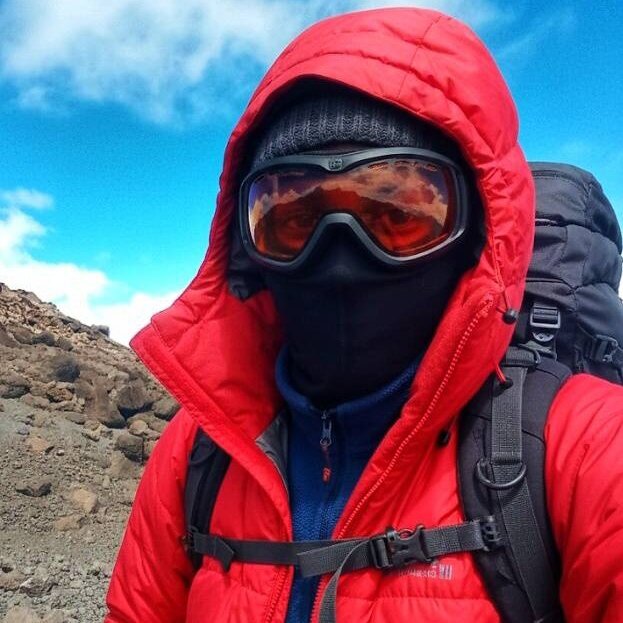
What you wear on Kilimanjaro is a three part layering system: a wicking base layer, an insulating mid layer, and a waterproof windproof shell, adjusted as you climb through five climate bands. Summit night adds a down jacket, insulated trousers and full head and hand coverage. Avoid cotton entirely. Kilimanjaro rises from warm rainforest to summit conditions below freezing at 5,895 metres in northern Tanzania.
The Layering System for a Kilimanjaro Climbing Trek
Almost every clothing question about a Kilimanjaro trek resolves into one principle. You are not dressing for a temperature; you are assembling a system you can add to and strip back several times a day.
The base layer sits against your skin and moves sweat away from it. Merino or synthetic, long sleeved, snug rather than tight. Its job is to stop you being wet, because wet is what makes you cold.
The mid layer traps warm air. A fleece or light insulated jacket for most of the trek, with a down jacket held in reserve for the high camps and the summit push.
The shell keeps wind and rain out. Waterproof and windproof with a hood, roomy enough to go over the mid layers rather than fitted to your body.
Three parts, worn in different combinations. On day one in the forest you may walk in a base layer alone. On summit night you will be wearing all of it at once and still feeling the wind.
The one rule with no exceptions: no cotton. Not t shirts, not underwear, not jeans, not socks. Cotton absorbs sweat and rain, holds it against your skin and takes hours to dry, which turns a cool evening at camp into a genuinely cold one.
What to Wear Through the Rainforest Zone
The first day or two on most routes is warm and humid, with temperatures between roughly 21 and 27 degrees Celsius under a dense canopy. This is the zone people overdress for.
A short sleeved or light long sleeved wicking shirt and lightweight trekking trousers are usually enough while walking. Long sleeves and legs are worth it anyway for sun and for the vegetation brushing the trail.
Keep your waterproof jacket within reach rather than in your duffel. The southern flank on the Machame and Umbwe trails catches a great deal of cloud, and rain here is normal in any month, not only in the wet season. Waterproof overtrousers matter more than people expect, since the trail is often muddy.
Your boots will get wet in this zone whatever you do, which is one reason choosing and breaking in the right pair matters more than any single garment. Gaiters help with the mud, and a dry pair of socks in the daypack is a small luxury worth carrying.
What to Wear Across the Moorland Zone
Above the treeline the air cools, the sun gets stronger and the wind arrives. This is where the layering system starts working properly.
A long sleeved base layer with a fleece over it covers most mornings, and you will probably remove the fleece within an hour of starting and put it back on at the first long stop. Trekking trousers remain fine. Add a sun hat, since there is no longer any canopy and ultraviolet exposure climbs with altitude.
Evenings at moorland camps, around 3,500 to 3,900 metres, are cold enough for a down jacket once you stop moving. This is the pattern for the rest of the trek: dressed lightly while walking, wrapped up within minutes of arriving.
Category three or four sunglasses become important here and stay important. Glare off rock and any snow at altitude is severe.
What to Wear in the Alpine Desert Zone
Between roughly 4,000 and 5,000 metres the temperature swings become dramatic. Direct sun feels warm enough for a base layer, then the sun drops behind the mountain around five or six in the evening and the temperature falls ten to fifteen degrees within an hour.
Walking here usually means a base layer, a fleece and a shell for wind, with the shell going on and off repeatedly. Warmer softshell trousers replace the lightweight pair. Thin liner gloves and a warm hat live in your daypack from now on.
At camp, change out of anything damp immediately. Sweat you did not notice while walking becomes a problem the moment you stop. Put on dry base layers, insulated trousers, the down jacket and the warm hat, and keep a pair of socks strictly for sleeping so your feet start the night dry.
Water freezes overnight at camps like Barafu, Kibo Hut and School Hut. Your clothing needs to be adequate for that, not for the pleasant afternoon you walked in.
What to Wear on Kilimanjaro Summit Night
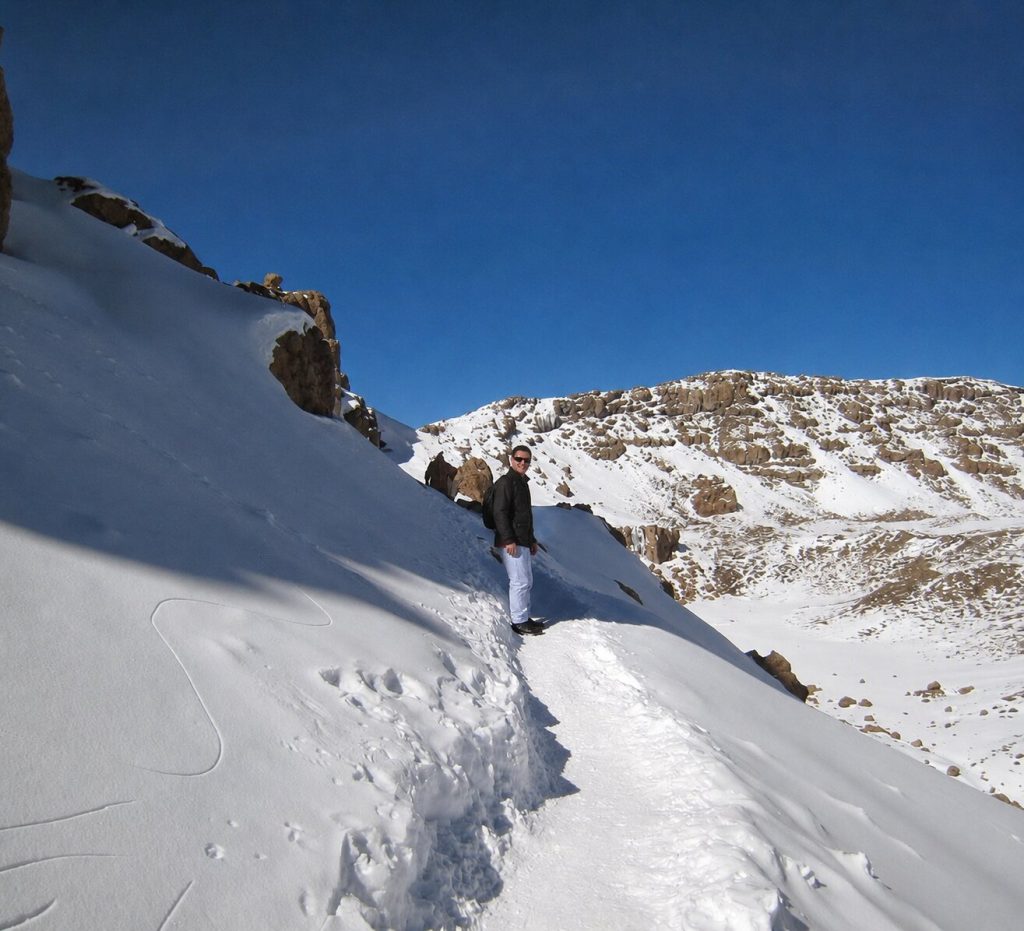
This is the part worth planning in detail, because you cannot fix it once you have left the tent at midnight. Temperatures on the way to the crater rim sit between roughly minus seven and minus twenty degrees Celsius, colder with wind chill, and figures as low as minus twenty seven have been recorded before dawn.
On the upper body: a merino or synthetic base layer, a second thermal or fleece mid layer, an insulated jacket, a heavy down jacket, and a waterproof windproof shell over everything. Four or five layers is normal and not excessive.
On the legs: thermal leggings, insulated or fleece trousers, and waterproof overtrousers to block the wind. Two layers minimum, three if you feel the cold.
Head, hands and feet lose heat fastest. A warm hat plus a balaclava or buff covering your face, since exposed skin in that wind chill suffers quickly. Thin liner gloves under thick insulated gloves or mittens, so you can manage a zip without exposing bare hands. Two pairs of socks, thick and dry, with gaiters over the boots for the scree.
Bring hand and toe warmers if you own them. They weigh nothing and they matter during the long stops.
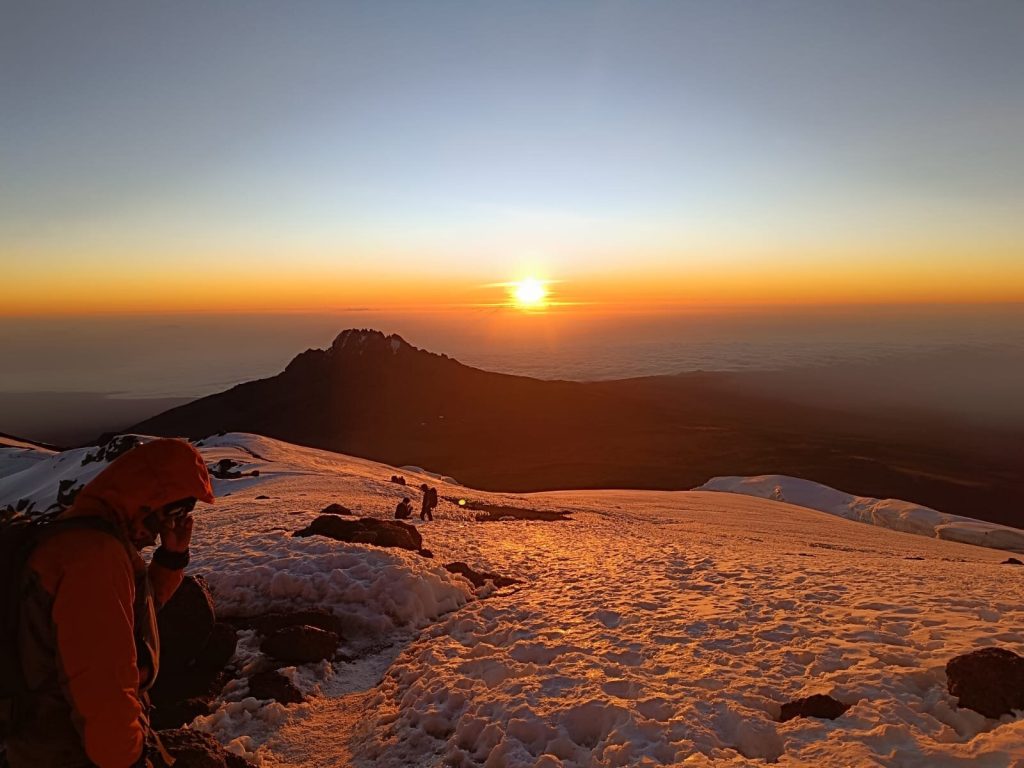
The mistake on summit night is not underdressing at the start. It is dressing so heavily that you sweat in the first hour and then stop for a break with damp base layers in a wind at minus fifteen.
Managing Layers While Trekking on Kilimanjaro
The skill is not owning the right clothing. It is adjusting it before you need to.
Start each morning slightly cooler than comfortable, because you warm up within fifteen minutes of walking. Strip a layer at the first sign of sweating rather than after it has soaked through. Put a layer on the moment you stop for a break, not when you begin to feel cold, since it is far easier to stay warm than to get warm again.
On summit night this applies with more force. Guides stop for five or ten minutes each hour and those stops are when people get cold. Have your down jacket accessible rather than buried, and keep moving gently between stops.
Zips are your friends. Pit zips on a shell and side zips on trousers let you dump heat without stopping to remove a layer, which at altitude is worth having.
What to Wear at Camp and in the Huts
Evenings follow a fixed pattern. Arrive, change out of walking clothes into dry base layers, insulated trousers and a down jacket, swap boots for light camp shoes, and add a warm hat.
Keep one set of clothing exclusively for sleeping and never walk in it. Dry thermals and dry socks reserved for the sleeping bag make a real difference to how well you rest, and rest is in short supply above 4,000 metres.
On Marangu the huts are unheated, so the same applies even with a roof overhead. Nights at Kibo Hut at roughly 4,700 metres are as cold as any tent.
Washing is a bowl of warm water outside your tent, so nobody is changing outfits for dinner. You will wear the same few garments repeatedly and nobody minds.
What to Wear on Each Kilimanjaro Trekking Route
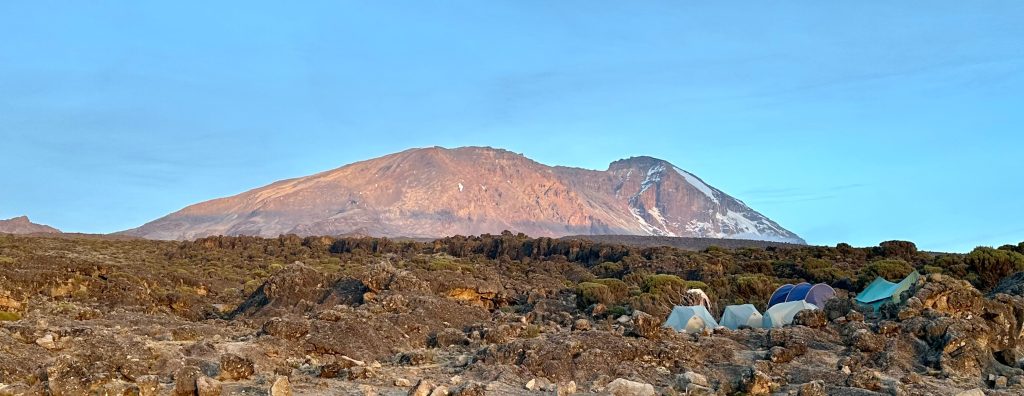
Machame and Umbwe. Southern flank and the wettest ground on the mountain. Prioritise genuinely waterproof outer layers and pack a spare dry base layer for the forest days.
Lemosho and Shira. Exposed plateau camps at 3,500 to 3,900 metres catch wind. A windproof shell and a warmer sleeping bag pay off more here than on sheltered forest routes.
Rongai and Northern Circuit. Drier northern flank, so less rain gear pressure, but the exposed northern camps are cold and windy. Bring the warmer hat and gloves.
Marangu. Huts mean kit and boots stay dry overnight, which is a genuine advantage in April, May and November. Clothing needs are otherwise identical.
Eastern summit finishes. Marangu, Rongai and the Northern Circuit reach the rim at Gilman’s Point and walk one and a half to two hours to the sign at Uhuru Peak, so you are exposed longer. Dress accordingly.
Any route in the wet season. Waterproof overtrousers stop being optional, and a second waterproof layer for your pack contents is worth the weight.
Clothing Mistakes to Avoid on a Kilimanjaro Climb
Cotton, in any form, is the most common and most consequential. Then showerproof jackets sold as waterproof, which fail on the third hour of rain in the forest.
New boots come next, and while boots are footwear rather than clothing they ruin more treks than any jacket. Break them in with the socks you will climb in.
Other regular errors: only one pair of gloves, so there is nothing dry for summit night. No face covering, leaving exposed skin in serious wind chill. Sleeping in the clothes you walked in, which are damper than they feel. Bringing too much, which pushes the duffel over 15 kilograms at the gate, something working from a proper packing list prevents. And leaving the waterproofs in the duffel, which the porters have carried on ahead of you.
Frequently Asked Questions About What to Wear on Kilimanjaro
How much does a full Kilimanjaro clothing set cost?
Buying everything new typically runs $600 to $1,200 depending on brand, with boots at $150 to $250, a down jacket $150 to $400 and a waterproof shell $150 to $350. Renting the bulky items in Moshi brings that down considerably: down jackets go for $30 to $50 for the trek and sleeping bags $30 to $50. Buy boots, base layers, socks, hat and gloves; rent the rest if you will not use it again.
How many layers do I need on summit night?
Four or five on the upper body and two or three on the legs. Upper body: base layer, thermal or fleece mid layer, insulated jacket, heavy down jacket and a windproof shell. Legs: thermal leggings, insulated trousers and waterproof overtrousers. Plus a warm hat, a balaclava or buff, liner gloves under thick outer gloves, two pairs of socks and gaiters.
Can I wear the same clothes for several days?
Yes, and almost everyone does. Two or three base layer tops and two pairs of trekking trousers cover a week comfortably. What matters is keeping one dry set strictly for sleeping and changing out of anything damp as soon as you reach camp. Laundry is not available on the mountain and washing is a bowl of warm water.
Do I need waterproof trousers?
Yes, on every route and in every month. The forest zones on the southern trails are wet in any season, and on summit night the same overtrousers block wind rather than rain. They pull on over boots and live in your daypack rather than your duffel, since you need them at short notice.
What should I wear in the huts on Marangu?
The same as at a campsite. The huts at Mandara, Horombo and Kibo have no heating, so nights are cold and Kibo at roughly 4,700 metres is properly freezing. Change into dry base layers, insulated trousers, a down jacket and a warm hat on arrival, and keep a separate dry set for sleeping inside your bag.
Are sunglasses really necessary?
Yes, category three or four. Ultraviolet exposure rises with altitude and glare off rock, scree and any snow near the summit is severe. Snow blindness is a real risk on a bright day above 4,500 metres. Bring a spare pair or a retention cord, since a broken pair on day five leaves you exposed for the highest days of the trek.
Booking Your Kilimanjaro Trip
The safari companies and tour operators listed on this website put trips like this together for a living and know which camps, guides and routes actually deliver. We are an independent guide to Kilimanjaro; we do not book or sell tours ourselves.
When you are ready, arrange your safari, tour or holiday with one of the recognised operators listed here. Tell them your dates and what matters most, and a real person, not a form, will handle the itinerary, park bookings and logistics for you.